 Listing Kit Studio
What Is Professional Home Staging?
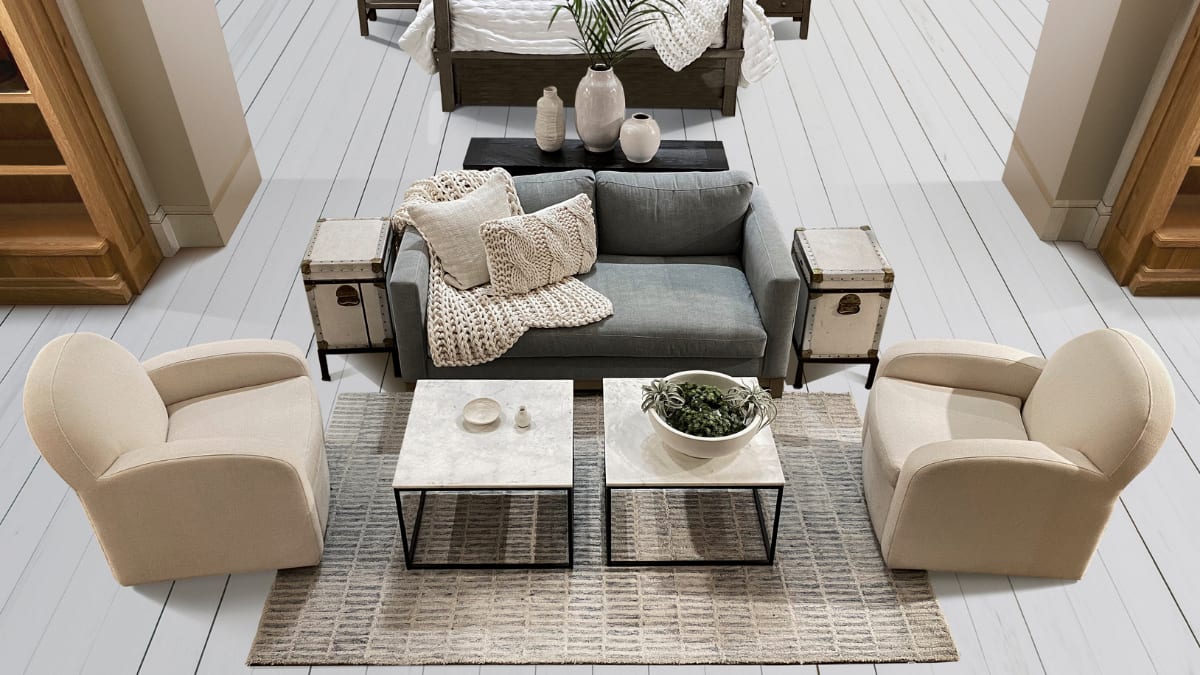
Professional home staging is the process of preparing a property for sale by arranging furniture, decor, and accessories to highlight the home's best features and help buyers envision themselves living there. It transforms empty or lived-in spaces into aspirational environments that photograph beautifully and create emotional connections during showings.
Staging is not interior decorating. Decorating personalizes a space for the person living there, while staging depersonalizes and neutralizes a space so the widest range of buyers can see themselves in it. Professional stagers understand buyer psychology, current design trends, and the art of creating spaces that feel both beautiful and attainable.
For real estate agents, staging is one of the most effective tools available for selling homes faster and for higher prices. Understanding the data, the options, and the costs helps you recommend staging confidently to your sellers.
The Data Behind Staging
The numbers consistently show that staging works. Here are the key statistics every agent should know.
Impact on Sale Price
According to the National Association of Realtors, 20 percent of buyer agents reported that home staging increased the offered price by 1 to 5 percent compared to similar unstaged homes. In some markets and price points, that percentage can be even higher. On a four-hundred-thousand-dollar home, a 3 percent increase means twelve thousand dollars in additional value.
Impact on Days on Market
Staged homes sell significantly faster than unstaged homes. The Real Estate Staging Association reports that staged homes spend 73 percent less time on the market compared to unstaged homes. Fewer days on market means lower carrying costs for the seller and a smoother transaction.
Buyer Perception
Eighty-two percent of buyer agents say staging makes it easier for buyers to visualize the property as their future home. This is critical because most buyers make emotional decisions. They buy the home they can see themselves living in, and staging creates that vision.
Online Listing Performance
In an era where the vast majority of home searches begin online, staging directly impacts how a listing performs in photos. Staged homes receive more clicks, more saves, and more showing requests because the listing photos are more compelling than photos of empty or cluttered rooms.
Physical Staging vs. Virtual Staging
Agents today have two main staging options, and each has its place depending on the property, budget, and situation.
Physical Staging
Physical staging involves bringing actual furniture and decor into the home. A staging company delivers and arranges everything, and it remains in the home throughout the listing period.
Advantages:
- Creates a real, tangible experience during showings and open houses
- Buyers can feel the scale of rooms and see how furniture fits
- Photographs beautifully with natural lighting and depth
- Makes the home feel warm, lived-in, and inviting during walkthroughs
Disadvantages:
- More expensive, especially for larger homes
- Requires coordination with the staging company for delivery and pickup
- Typically committed for a set period (30-60 days), with extensions available at additional cost
- Furniture availability and styles may be limited by the staging company's inventory
Cost range: Two thousand to six thousand dollars per month for a typical three-bedroom home, depending on the number of rooms staged and your market. Luxury homes can cost significantly more.
Virtual Staging
Virtual staging uses digital technology to add furniture and decor to photos of empty rooms. The original photos are taken of the empty space, and a designer or AI tool digitally adds furnishings.
Advantages:
- Significantly less expensive than physical staging
- Fast turnaround (often 24-48 hours)
- Multiple design styles can be shown for the same room
- No furniture to deliver, maintain, or remove
- Ideal for vacant properties where physical staging is cost-prohibitive
Disadvantages:
- Only works in photos. The home will still be empty during showings.
- Buyers may feel disappointed when they visit an empty home after seeing furnished photos
- Quality varies significantly between providers. Poor virtual staging looks fake and hurts credibility.
- Must be disclosed in listings (buyers should know the staging is virtual)
Cost range: Fifty to three hundred dollars per photo, depending on the provider and quality level. AI-powered tools can be even less expensive.
Which Should You Recommend?
Choose physical staging when:
- The home is in a competitive price range where multiple offers are expected
- The home has unusual spaces that buyers may struggle to envision
- The home is vacant and the seller has the budget for physical staging
- The listing is in the luxury market where presentation expectations are high
- Open houses are a key part of your marketing strategy
Choose virtual staging when:
- The seller has a limited staging budget
- The home is in a lower price range where full staging may not make financial sense
- You need to market the home quickly and cannot wait for staging logistics
- The home is an investment property or estate sale
- You want to show multiple design possibilities for the same space
Cost Expectations and Budgeting
Understanding staging costs helps you have transparent conversations with your sellers about the investment.
Full Physical Staging Costs
- Consultation only: Two hundred to six hundred dollars. A stager walks through the home and provides recommendations for decluttering, rearranging, and preparing rooms using the seller's existing furniture.
- Partial staging (key rooms only): One thousand to three thousand dollars per month. Stage the living room, primary bedroom, and kitchen or dining area.
- Full staging: Two thousand to six thousand dollars or more per month. Stage all main living areas including living room, dining room, kitchen, primary bedroom, and one or two additional bedrooms.
- Luxury staging: Five thousand to fifteen thousand dollars or more per month. High-end furniture, art, and accessories for luxury properties.
Virtual Staging Costs
- Per photo: Fifty to two hundred dollars for professional human-edited virtual staging
- AI virtual staging tools: Fifteen to fifty dollars per month for unlimited or bulk photos
- Quality matters: Budget providers may produce unrealistic results. Invest in quality to maintain your credibility.
Who Pays for Staging?
In most cases, the seller pays for staging as part of their marketing investment. However, some agents cover staging costs for their listings as a value-add to win the listing or to ensure the best possible presentation. Discuss this during your listing presentation so expectations are clear.
How to Recommend Staging to Sellers
Many sellers are resistant to staging because they see it as an unnecessary expense or they do not understand the impact. Here is how to present staging effectively.
Lead With Data
Share the statistics on how staging affects sale price and days on market. Frame staging as an investment with a measurable return, not as an optional luxury. For example: "On a four-hundred-thousand-dollar home, staging typically costs around three thousand dollars but can increase the sale price by four to twenty thousand dollars. That is one of the best returns on any pre-listing investment."
Show Before-and-After Examples
Nothing is more persuasive than visual proof. Maintain a portfolio of before-and-after staging photos from your past listings or from your staging partner. Show sellers what empty or cluttered rooms look like compared to staged rooms, both in person and in listing photos.
Address Common Objections
"My home is already furnished." "Professional staging is different from personal decorating. A stager will work with your furniture or recommend specific changes to highlight the home's best features and appeal to the broadest range of buyers. This often means decluttering, removing personal items, and rearranging furniture to make rooms feel larger and more functional."
"It is too expensive." "I understand it is an additional cost. Let me show you the data on how staging affects sale price in our market. In most cases, the return far exceeds the investment. We can also do a partial staging of just the key rooms to keep costs manageable."
"The home will sell on its own." "It might, but staging helps it sell faster and for a higher price. Every additional week on the market costs you in carrying costs and creates the perception that something is wrong with the home. Staging helps us make the strongest first impression possible."
Offer Options at Different Price Points
Not every seller can or should invest in full physical staging. Present a range of options:
- Consultation only: The stager provides a detailed plan and the seller implements it themselves
- Virtual staging: Great for online marketing at a fraction of the physical staging cost
- Partial physical staging: Stage the three to four most important rooms
- Full physical staging: The complete package for maximum impact
Making Staging Part of Your Listing Strategy
The most successful agents integrate staging into their standard listing process rather than treating it as an optional add-on. Here is how:
- Build relationships with local stagers. Have two to three trusted staging companies you can recommend. Negotiate preferred rates for your clients.
- Include staging in your listing presentations. When you pitch for a listing, show how staging fits into your comprehensive marketing strategy.
- Photograph staged homes professionally. Staging without professional photography is a wasted investment. Always pair staging with a professional real estate photographer.
- Market the staged photos everywhere. Use staged photos on MLS, social media, your website, print materials, and email campaigns. Maximize the investment across every channel.
Staging is one of the most powerful tools in a listing agent's arsenal. When you understand the data, present it confidently, and offer options that fit your seller's budget, staging becomes a natural part of the conversation rather than a tough sell.
Once your property is staged and photographed, maximize that investment with professional marketing materials. Listing Kit Studio takes your staged photos and generates an Instagram Story, a 10-second video reel, a print-ready flyer, and an email template from one simple form. Beautifully staged photos paired with polished marketing materials create a complete package that attracts more attention, more showings, and ultimately stronger offers.